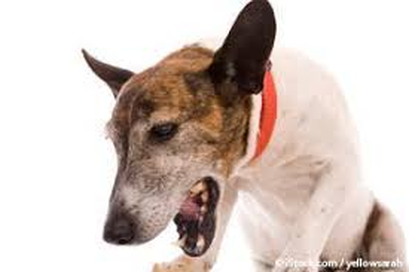
 With Covid restrictions lifting we will find our selves getting back into our preCovid lifestyle. To some of our pups this will not be a smooth transition. They have normalized life with Covid. They have developed habits and routines. Disrupting their routines and habits can bring sickness. One of those is Kennel Cough. When a dogs become stressed their immune system can be affected and become more prone to kennel cough. To learn more about kennel cough please follow this link (kennel cough) .
Now is a good time to start supporting your pup's immune system. Just like their human owners, if they do not have great immune systems, they will be more susceptible to viruses. Please read up on how to support your dog's immune system during this stressful time getting back to normalcy. www.dogsnaturallymagazine.com/prevent-kennel-cough/ Always check with your vet on other ways to boost your pup's immune system. The example above is just one of many recommendations.  The 4th of July is right around the corner and wondering what you can do for your pup? I great way to help the situation is by playing the following you tube video for your pup to help desensitize them.
https://www.youtube.com/watch?v=H7FANXaanG4 Once the video opens you can right click on the video to loop it so it can play continuously. For the next couple of days play this video off and on throughout the day while giving them a tasty treat (bully stick, Kong filled with yummy treats, etc.) at first playing it quietly and slowly making it louder with each time it is played. On the day of the fireworks keep your puppy in a place that they are comfortable in (suggestion…inner room of the house where the sound is more muffled). You can also place the puppy in that room while you are giving them yummy treats and listening to the recordings leading up to July 4th. On July 4th you will want to start playing the video softly with every passing hour increasing the sound as the dog is feeling at ease. If you find your pup getting anxious you may want to increase the sound at a slower rate. By the time the fireworks are getting ready to start the volume should be at the highest your speakers can handle. Once the real fireworks start your pup won’t even notice them as they will be blended with the sound that is already playing. 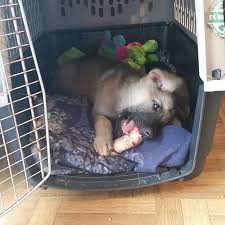 Crates can be a very positive, important tool in housetraining and overall training a puppy or even adult dog. Crating allows you to manage your pup and set him up to succeed. Crating is NOT cruel as many dogs love to den and benefit from having their own space. It is a place they can feel safe in and retreat to when stressed or tired and a space that will manage your pup to prevent behavior problems. Ideal Crates should be used for no longer than 4 hour intervals. A dog should not be crated while an owner works all day. Think about it, you use the bathroom at work, why would you expect your dog to hold it all day? Also, small dogs = small bladders. Have a dog walker come by half way through the day to give you dog a much needed potty break and some exercise. This can be at a cost of $15-$20 a day and well worth the value. Space A crate should be large enough for a dog to lie down in and turn around. A crate that is too large will give a dog the opportunity to mess in one area and lie in another. Make it a great place Always make the crate a “great” place to be for your dog. Make the crate a positive place by feeding one meal daily in a crate in the crate and also having special treats that are only given in the crate. Feeding in the crate makes crating a part of your dog’s daily routine. Feeding in the crate forces us humans to be consistent and crate even if we have a 3 day weekend or a week off of work. Feeding all meals in the crate makes the crate a positive place where wonderful things happen every day of a dog’s life. (REMEMBER: If you only crate your dog when you are gone, your dog will quickly learn to associate his crate with being alone. Ask yourself, what does crating mean to my dog? Make sure the answer is a positive association! A Kong toy filled with cream cheese, peanut butter and/or treats is an excellent distraction from your departure and will keep the dog occupied. Freezing the Kong will make the fun last longer! Treat balls are also great for crate time. Warm blankets from the dryer or placing the crate near a heat vent will also encourage crate use for young puppies that love warmth. Magical! Make the crate a “magical” place by hiding treats in the crate when your puppy isn’t looking. He will then get in the habit of entering his crate to see what wonderful surprises might be in this “great place”! Spread a thin line of peanut butter on the back wall so he goes in there to lick, lick, lick in this magical, wonderful place he calls home. Training Teach the dog the cue “Kennel” before he enters his crate. Never let a dog out of the crate until he is quiet. Otherwise he will quickly learn he can get out of his crate by exhibiting negative behavior. Wait until he’s quiet even if only for seconds so your puppy learns quiet is the desired behavior. When you let the dog out of the crate, do not make a big deal out of his exit. This just confirms to him that “whew! glad you are out of that awful place”. Also, ignore a dog that is having problems with crate training 20-30 minutes before placing him in the crate. 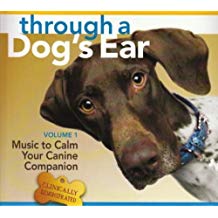 Music!
Play soothing music or a sound machine for the dog while he is crated. One of my favorites is www.caninelullabies.com. Put dim lighting on to encourage quiet time. Some dogs do best when their crate is covered with a towel or blanket. If the dog is resistant to a crate initially, unless you are training your dog with some treats, make sure ALL other meals and treats are given in the crate. Then place the dog in the crate but do not leave the room. Allow the dog to remain in the crate for just minutes, gradually increasing the time and eventually leaving the room and then the house for short intervals. The goal is to condition the animal to see the crate as positive and short term and to assure him that you are returning. In the perfect world, we would condition our dog to LOVE his crate and then an only then leave. Sadly, we don’t live in the perfect world and we have to work and leave our puppy often early on in the training. Just introducing a new puppy to his crate? A great way to work on crate training over a weekend is to rent some videos and stay close to home. Put your crate right in the middle of the room like it’s a recliner for your pup to join you in the fun. While the family is around enjoying the movies, the pup is right there with you in his own personal space. Now make it fun. Every few minutes, pop a piece of his food or better yet, a wonderful treat in the crate for him. You can also give him a chew or filled Kong. Continue for the life of your dog to make the crate a positive place where good things happen. Even if you decide your dog has earned freedom of the house when you are gone, it’s a great idea to keep him acclimated to a crate by feeding one meal a day in the crate. This way if you do need to travel, board or crate your dog for any reason, it still is a fun place and part of is life. Puppy Socialization and Games.
In my Puppy Socialization package you will find I always try to be a matchmaker. We pair dogs together that have similar play styles so not only will this build your puppies confidence but will also give your pups a workout. During Free Play, puppies figure out what is and isn't acceptable behavior, discover how their bodies work, and learn ways to interact with other animals and the world around them. My puppy classes teach you good management while your puppy is learning appropriate behavior. Mental stimulation in my class results in some tired pups when you get home. Here are some puppy interactive games to give your pup some mental stimulation which can help with problem behaviors like excessive chewing or barking. Find the treat! This is a great nose work game. You first want to place treats around the room out of the way but very easy to find. Now bring your dog through the house pointing out to him/her where the treats are. Do this a couple of times using the term find the treats. You can soon start hiding them under items that are still accessible. As your puppy starts to understand what it means to “find the teats” you can make it even harder hiding them under bowls or in crevices of his toys. Name that toy! When you are playing with a certain toy, name it. Anytime you pick up the toy keep saying the name of that toy to your dog. Throw the toy a little distance from the dog with the term go get “name of the toy”. When your pup gets the toy give him a treat. You will start to see your pup will associate the toy with the name and you can move to placing that specific toy with another to toy and asking to get “name of the toy”. Once you have mastered one toy name you can do another. If you have been to my training room you will find the below poster hanging. This poster illustrates exactly what I try to communicate with people in my puppy socialization class. Enjoy and have fun socializing your pup. 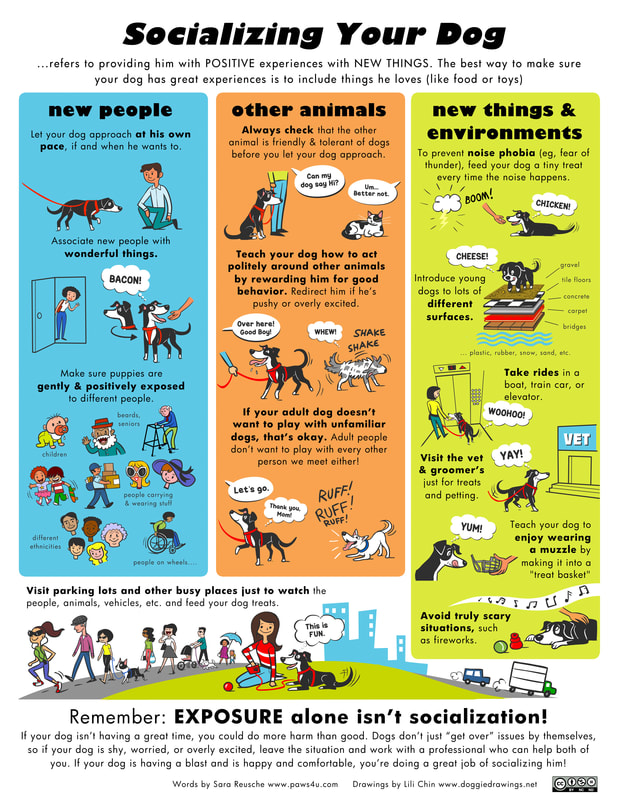 |
AuthorMy family and I live with our two dogs, horse, and cats. Archives
March 2021
Categories |
 RSS Feed
|


|
|
Telephone
720-607-3977 (Robin) |
|